1. Agriculture

Indonesia agriculture makes indonesia one of the largest producers of agricultural products, because indonesia is located in the equatorial region and has fertile soil, make it easier for agricultural products to grow.

whatsapp image 2025 10 09 at 16.17.27
whatsapp image 2025 10 09 at 16.18.32
whatsapp image 2025 10 09 at 16.18.03

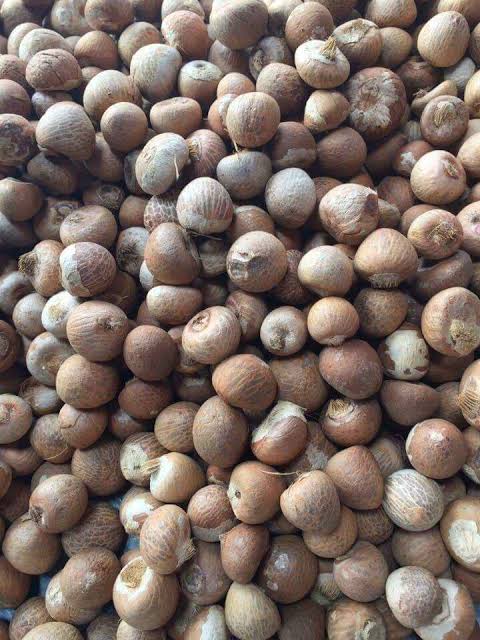
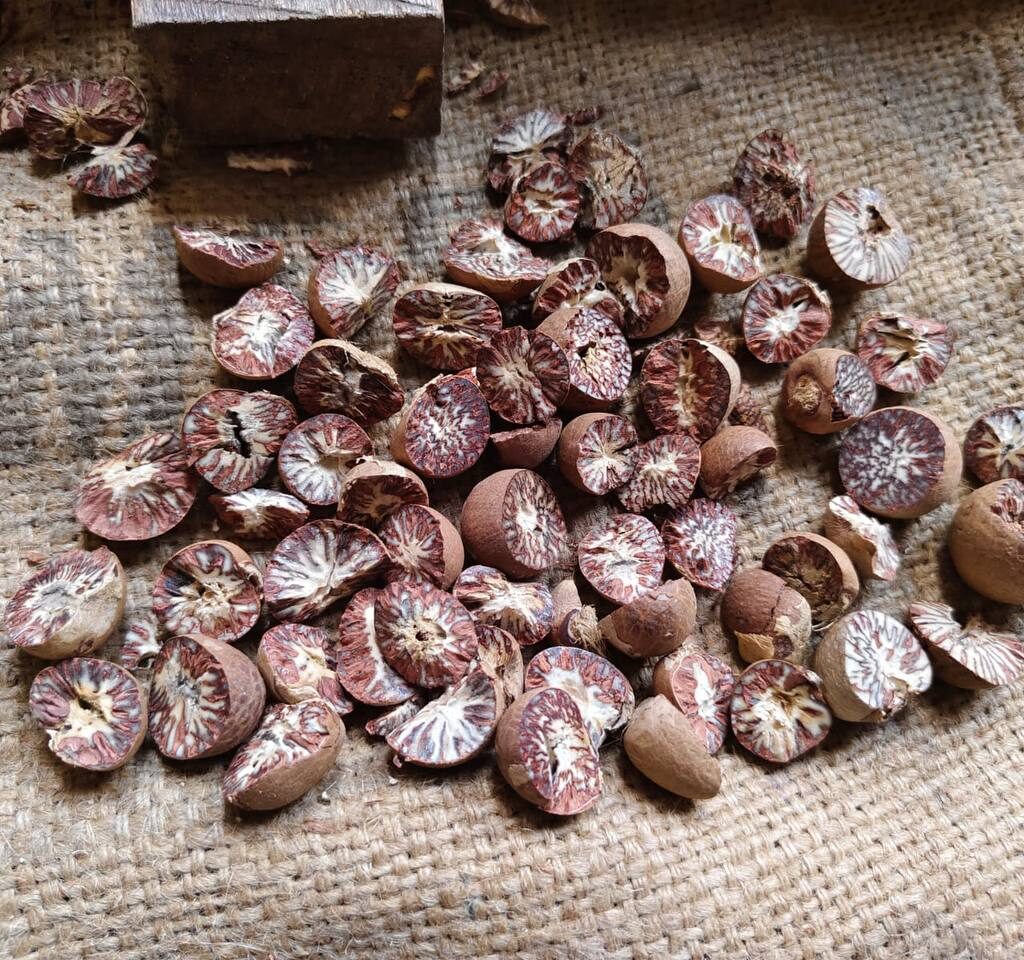
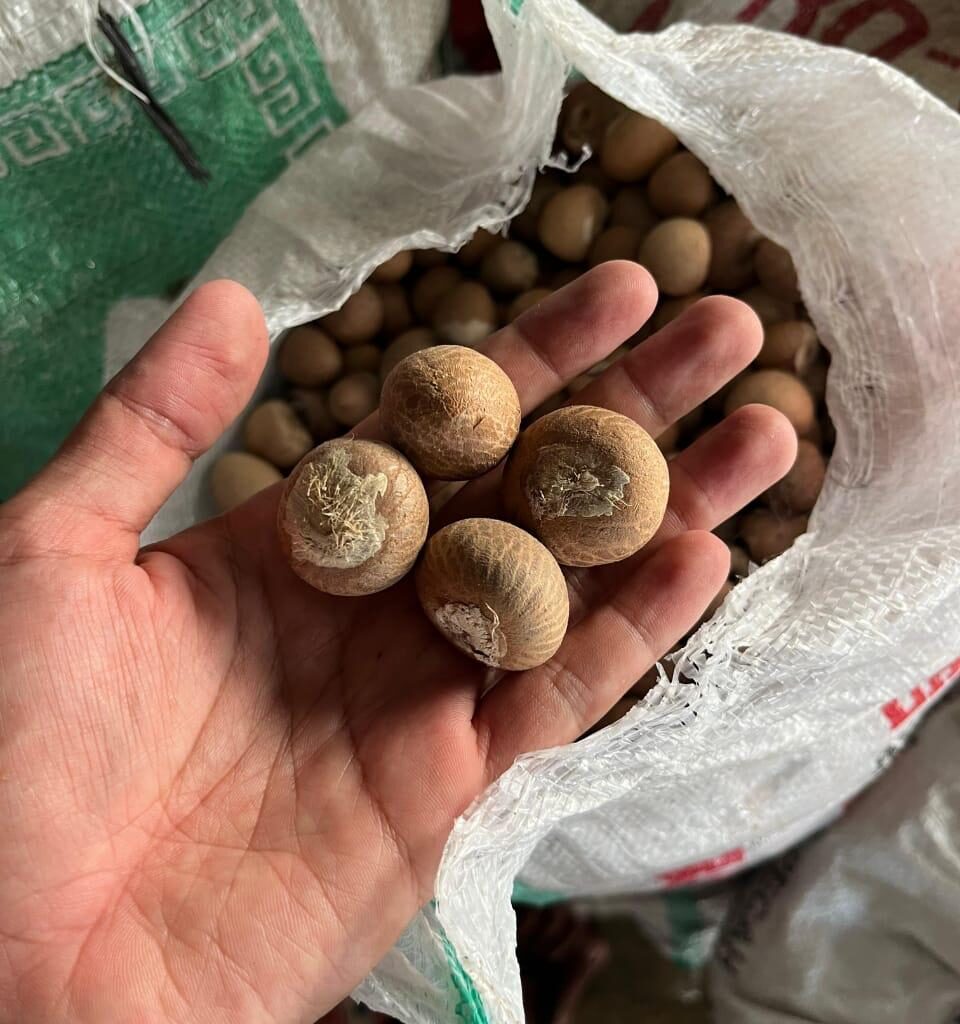
1. Betel nut/Areca nut

Specification

Moisture content    : 3-5%

Quality                     : 90-95%

                                   80-85%

                                   70-75%

                                   60-65%

                                   50-55%

types                        : Whole, Split

Packing                    : Jute Gunny bags or can request

Container Capacity : 20 feet in 18 Metric tons 

                                   40 feet in 27 Metric tons 

Origin                       : Indonesia


Process

The process of making betel nuts begins with harvesting the areca nut from the tree, which is usually done when the fruit is ripe and yellow or orange. After being harvested, the areca nut is peeled to get the seeds, which are the main part of the betel nut. The areca seeds are then dried in the sun for several days until they dry and harden. This drying process is important to reduce water content and prevent mold growth. Once dry, the areca seeds can be further processed by polishing them until they are shiny and clean from ash and other impurities.

download (5)
download (6)
download (7)

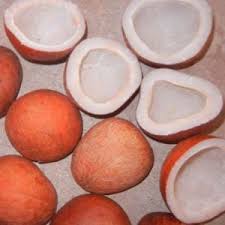
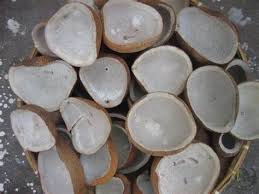
2. Copra/ dry coconut

Specification

Moisture content    : 5-7%

Quality                     : Edible

                                   Regular

                                   Random

types                        : Burning, dried sun, Oven

Oil content              : 60-70%

Packing                    : PP bag or jute sack ( can request )

Container Capacity : 20 feet in 18 Metric tons 

                                   40 feet in 25-27 Metric tons 

Origin                       : Indonesia


Process

The process of making copra begins with harvesting mature coconuts from the tree. The harvested coconut is then split into two parts and dried in the sun with the coconut meat facing up so that it is exposed to direct sunlight. This drying usually lasts for several days until the coconut flesh shrinks and is easily separated from the shell. After the coconut meat is released, the drying process continues until the water content in the coconut meat is reduced significantly, usually reaching around 6%. The dried copra is then collected and cleaned of dirt before being packaged and ready for export.

images (4)
images (5)
download (8)
images (6)

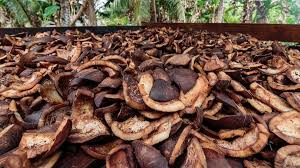
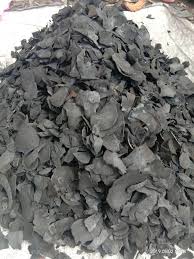
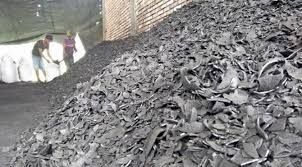
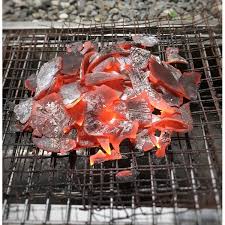
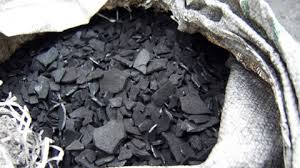
3. Coconut shell charcoal

Specification

Moisture content    : 4-7%

Ash content             : 3%

Fixed carbon            : 75%

Volatile matter         : 15%           

Packing                     : Gunny  bag  ( can request )

Container Capacity  : 20 feet in 18 Metric tons 

                                    40 feet in 25-27 Metric tons 

Origin                        : Indonesia

Process

The process of making coconut shell charcoal begins with collecting old and dry coconut shells. The coconut shell is then cleaned from attached fibers and dirt. Next, the coconut shells are burned in a furnace or drum using a limited combustion technique (pyrolysis) to reduce the water content and produce charcoal. This burning process requires supervision so that the temperature remains stable and the coconut shell does not burn to ash. After the combustion process is complete, the coconut shell charcoal is cooled and ready for use or further processing.

2. Frozen food

Frozen food products function to make it easier for everyone to cook food, because they have been processed into food raw materials that are ready to be processed into delicious food without having to clean or peel dirt from the frozen food.

download (11)
whatsapp image 2025 10 09 at 16.03.25
whatsapp image 2025 10 09 at 16.02.01
whatsapp image 2025 10 09 at 16.09.34

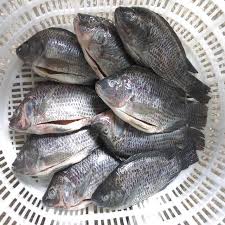
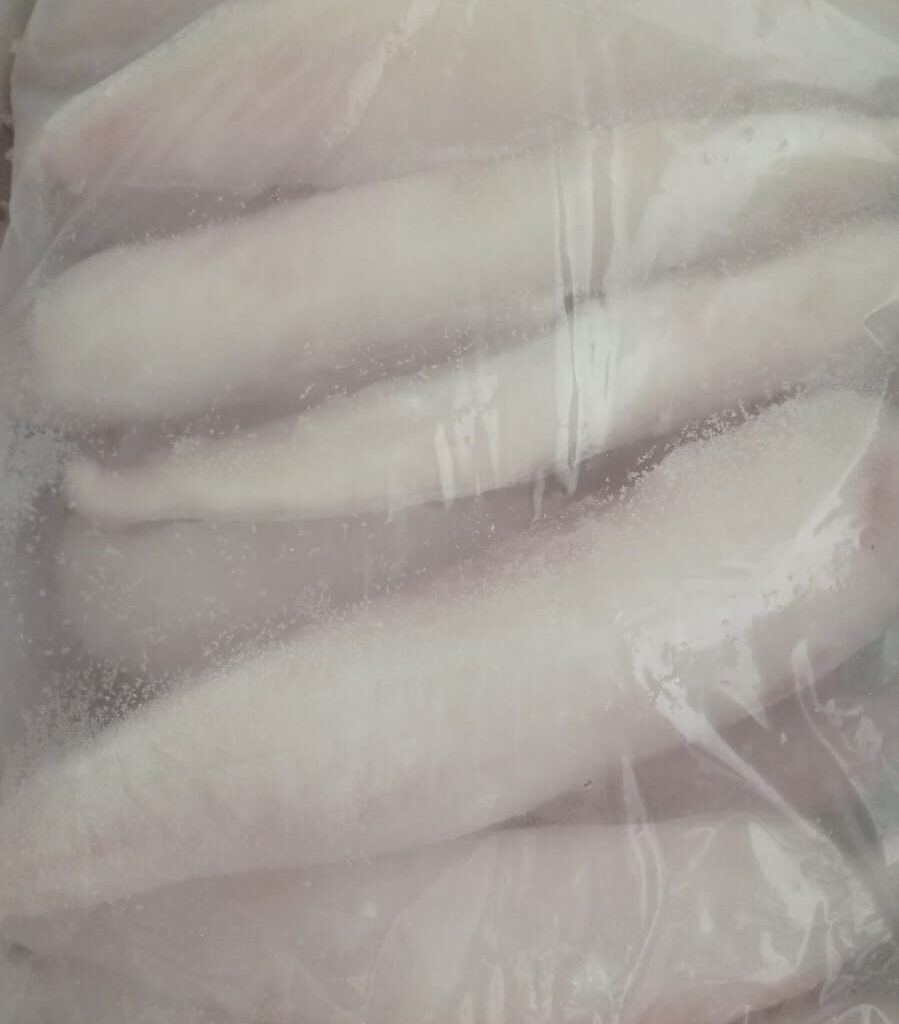
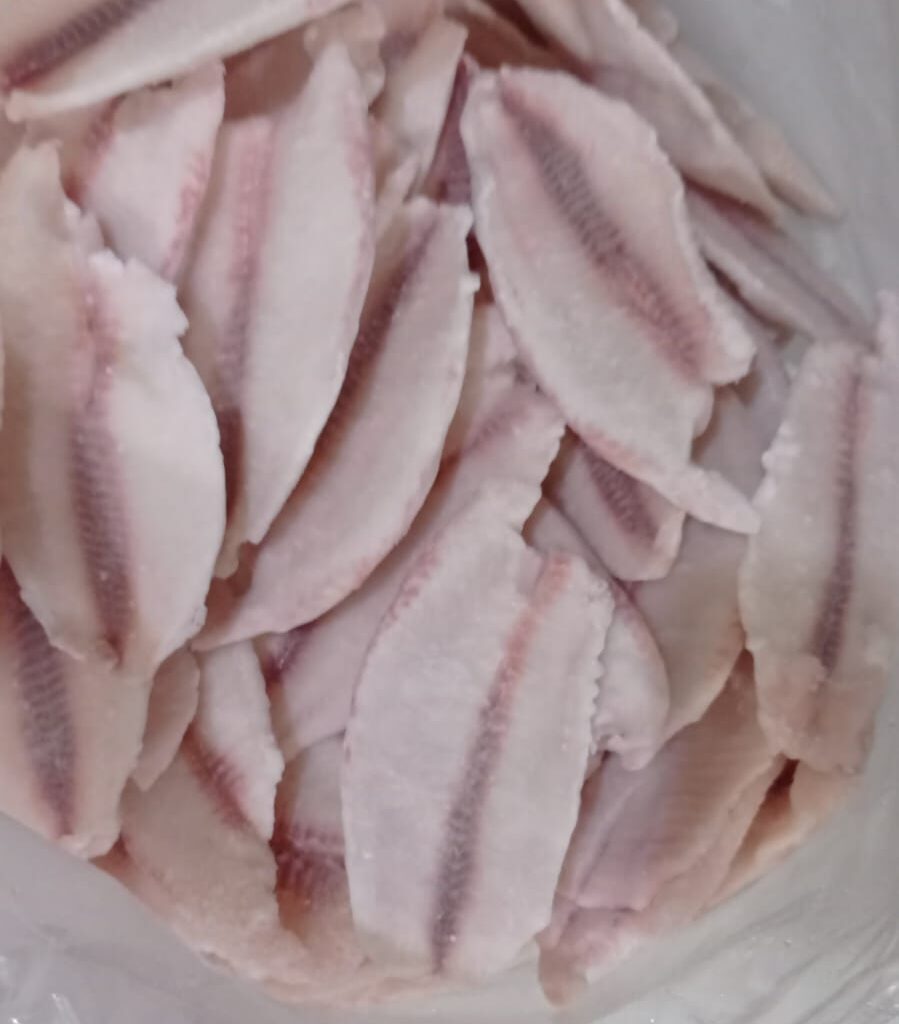
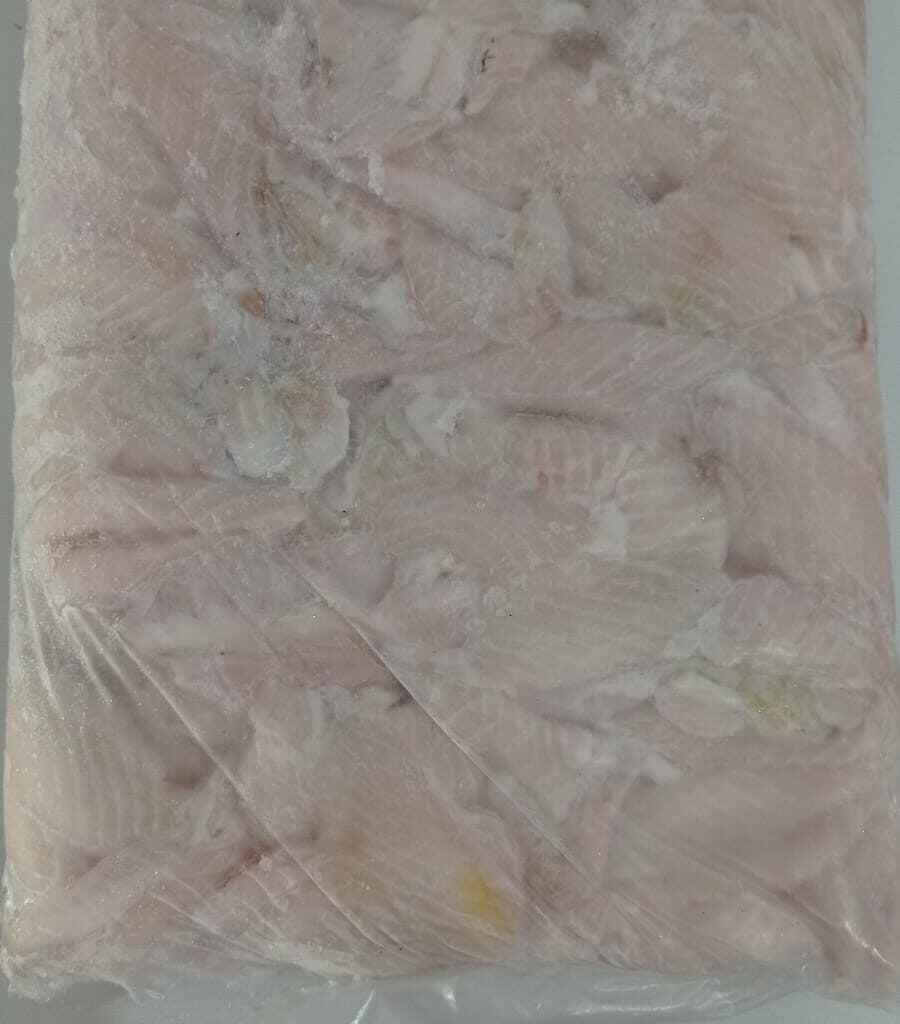
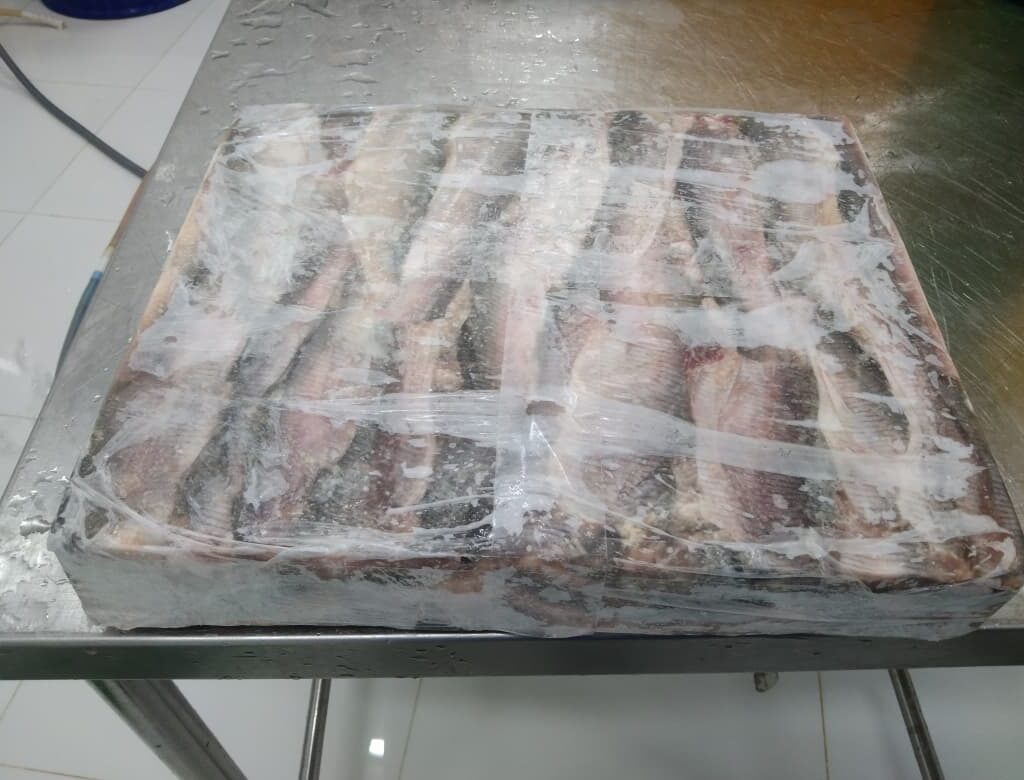
1. Frozen tilapia

Specification

Glazing                    : 10%-up

Quality                     : Loin

                                   Deep skin

                                   Non-Deep skin

                                   Buttem/Portion

                                   Belly meat

Process                    : IQF or lokal procces

Packing                    : Bulk ( can request )

Origin                       : Indonesia

Process

The process of making frozen tilapia fillets begins at harvest, where tilapia fish are selected that meet predetermined quality and size standards. After being harvested, the fish is immediately washed and taken to a processing facility that has high hygiene standards. In this facility, tilapia fish are filleted, that is, the fish meat is separated from the bones and skin. The resulting fillets are then inspected to ensure there are no spines or unwanted parts. After that, the tilapia fillets are washed again and weighed according to the desired size. Next, the tilapia fillets are arranged on a freezer tray or container and put into a blast freezer to freeze the fish in a short time. Once frozen, tilapia fillets are packaged in airtight packaging and given a label that includes product information such as production date, expiration date and nutritional information. The final product is stored in a frozen storage room at a controlled temperature until it is ready to be distributed to the market or exported.

whatsapp image 2025 10 07 at 16.52.59
whatsapp image 2025 10 07 at 16.52.09
whatsapp image 2025 10 07 at 16.51.44

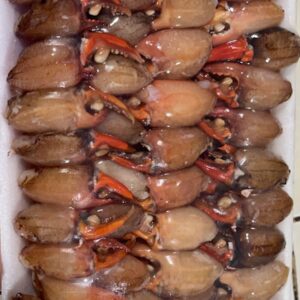
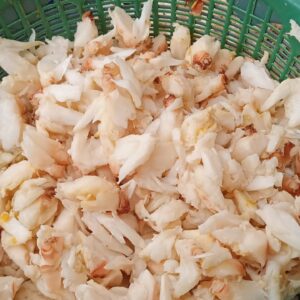
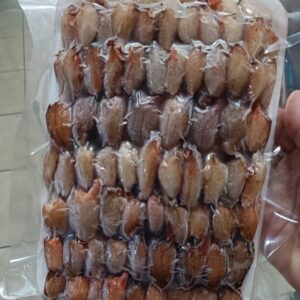
2. Frozen mud crab meat

Specification

Glazing                    : 5% – up ( can request )

types                        : White crab meat

                                    Red crab meat

                                    Claw meat

Packing                    : Vaccum, Plastic valve, Mica plastic

process                     : Lokal Process

Origin                       : Indonesia

Process

How to process crab meat, first the crab meat is selected to determine its quality, then it goes to the steaming stage. After steaming, the meat is separated from the crab shell and the cartilage is separated from the crab meat. The final step is to check again so that it is clean from dirt and then packaged and stored at freezing temperature.

whatsapp image 2025 10 07 at 13.15.19
images removebg preview (1)
Placeholder

3. Frozen pangasius skin

Specification

Packing                    : 1 Bulk ( 5 kg )

Process                     : IQF

Origin                       : Indonesia

Process

The skin of the catfish (Pangasius) is immediately separated from the flesh. The skin is then washed thoroughly and sorted to ensure its quality. The next process is cutting to the desired size, followed by trimming to remove unnecessary parts. After that, the skin undergoes a blanching process to clean and reduce bacteria. Next, the skin is dried and quickly frozen to maintain its freshness. Finally, the frozen catfish skin is packaged and stored at a low temperature to maintain quality until ready to be distributed.

Chat Icon